THE ROLE OF LEGUMINOUS CULTURES IN HUSBANDRY BIOLOGIZATION
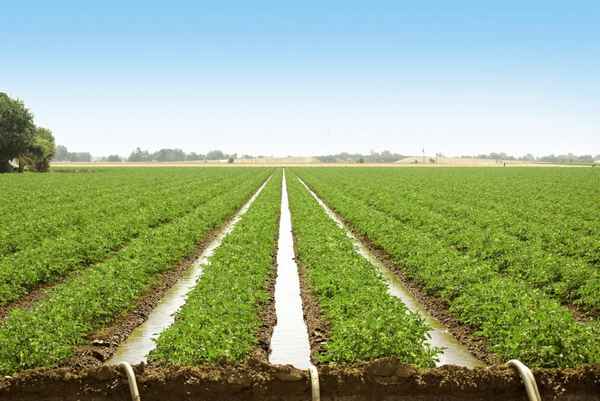
In conditions of the modern development of agricultural industry a switch to crop rotation with short rotation has increased the unilateral carrying away of the feeding elements as well as the populations of diseases incitants, vermins and weeds, greatly changed their aspectual composition, and in this connection increased the harvest losses.
In such conditions any efforts of farmers to increase the productivity by fertilizing, introducing the new sorts, means of plants protection etc. turn out to have high expenses and be vain. A broad introduction of complex actions preventing the soil degradation is necessary. The firm foundation is to be created - to save the fertility of our ground and then one should work out the measurements on increasing its fertility and developing agricultural industry. So we are concerned with the study of the questions on increasing the field cultures productivity by means of the soil biological characteristics improvement and activation of the soil formation process.
On the significant territory of Rostovskaya area at present the perennial herbs play a vital role and first of all the leguminous as the most important biological component of the husbandry system based on the landscape.
The perennial herbs in agrocenoses of Rostovskaya area (the Medicago, Onobrychis, Mellilotus) are a source of fresh organic material and cheap biological nitrogen and phosphorus. In the ground they accumulate the plant remains 2.5-3.0 times as much as the grains.
Our calculations have shown that expansion of the sowing area of perennial leguminous herbs, for instance in Oktyabrskiy region of Rostovskaya area up to 20 thousand ha will be equivalent to fertilizing the ground with 2 thousand tons of phosphoric and 20 thousand tons of nitric fertilizers. Herewith, it is necessary to note that ecological clean fertilizers will be evenly portioned out on the whole root-inhabited layer of the ground without considerable expenses of energy and financial funds. Such elements of the plants feeding are not threatened with washing out from the ground into the deeper layers and a loss from the surface drainage since washing out on the perennial herbs sowing does not normally exist.
Herewith, under no circumstances one can oppose the sowing of perennial leguminous herbs to the mineral fertilizing. And at the same time it is necessary to apply to the maximum the biological possibilities of the perennial leguminous herbs for increasing the ground fertility. The leguminous herbs in symbiosis with legume bacteria are able to accumulate in the ground up to 300 kg/ha and even more of biologically clean nitrogen and due to the organic secretion of the root system (oxalic, lemon, acetic, amber, malic and other acids) many hardly accessible phosphoric and calcium compounds of the ground are transferred into the active and easily accessible to other plants compounds of phosphorus and calcium brought by the root system from the deep layers of the ground into the upper horizons. That is why the plants of winter wheat even in moistened years do not lie flat on the fields occupied with esparcet and melilot.
Among all leguminous herbs for Rostovskaya area in particular and for Northern Caucasus on the whole lucerne has the maximal influence on the soils and produces biological nitrogen and phosphorus, it is also remarkable for its great productivity, that is why in the developed conditions it should be used in the emergency fields within 3-4 years and even over that period. However high cost of the seeds and low seeds productivity of the sowings as well as the increasing productivity of the plants in the 2-3rd years of their lifetime do not allow to use lucerne on the field occupied with esparcet. At the same time when taking into consideration the biological possibilities of lucerne it may be used within a long period on the mulching fields.
Alongside with lucerne high efficiency in the field crop rotation at present have perennial leguminous herbs of the short period application on the occupied field and in case the culture has already been mowed and plowed down. Of great interest are the Onobrychis and Mellilotus cultures demanding little fertility of the ground and applying the soil-climatic conditions of our area to the maximum. These cultures in the process of evolution adapted to grow where other plants develop badly. Mellilotus deserves the special attention as it is a pioneer in developing badly suitable washed off soils. Mellilotus forms a powerful root system in a big depth from which it absorbs moisture and nutrients.
As our observations conducted on the fields of Donskoy sort-testing centre have shown in average within 15 years of the studies Mellilotus has provided formation of 21,0 t/ha of green mass from the first mow and Onobrychis -183 t/ha and over 12,0 t/ha of plant remains have entered the soil which is equal to 40 t/ha of manure.
Many years of our long-term studies have showed that Mellilotus may be widely used as the culture mowed and plowed down since plant remains of this culture decompose most intensively over the period of the ground resting before sowing of winter wheat due to their chemical composition. Plants of the leguminous cultures have very favourable ratio C:N equal to less than 20 that enables quick decomposition of plant remains and enrichment of the soil by feeding elements. When putting into the ground the plant remains of cereal cultures it is required to put in addition 10-15 kg d.v. of nitric fertilizers per 1t of straw.
Thereby, improvement of the sowing areas structure and crop rotation system is aimed at intensification of biological factors among which the perennial herbs of the short period of use are of priority.
We are conducting an all-round study of biological particularities of winter vetch and develop highly effective measures of interspecific sowings cultivation. It is established that winter crops vetch as a leguminous component of the binary sowing develop a powerful symbiotic apparatus and root system, raises the fertility of the eroded lands, leaving in the ground up to 45 c/hа of plant remains and up to 66 kg/ha of biologically clean nitrogen. In the mixed sowings of winter vetch and wheat absorption of nutrients from the ground occurs 16-18% more intensively than in pure sowings of winter wheat that encourages the better growth of the winter wheat plants, provides the higher safety of the plants at a winter period, allows to increase the sowings productivity and improve the grain quality.
The results obtained are indicative of binary sowings high productivity, that´s why the questions of development of binary sowing growth technology providing economically efficient harvest of environmentally safe products are of great theoretical and practical interest and require the further study.
Thereby, it may be noted that binary sowings are one of the real ways of increasing the sowing productivity and grain quality of winter wheat on the eroded chernozems of Rostovskaya area.
Biologization of intensification techniques allows to use the adaptability of all biological components of the agroecosystem to the highest extent, realize the adaptive potential of the cultivated plants by agroecological districting and application of the differentiated cultivating technology.
Работа представлена на научную конференцию: «Рациональное использование природных биологических ресурсов», Тунис, 12-19 июня 2005 г. Поступила в редакцию 07.05.2005 г.
 Статья в формате PDF
167 KB...
Статья в формате PDF
167 KB...
14 10 2026 4:57:50
 Статья в формате PDF
106 KB...
Статья в формате PDF
106 KB...
13 10 2026 1:51:51
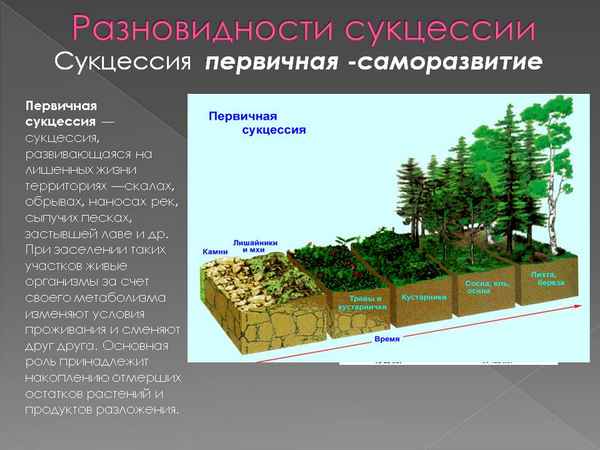 На примере самозарастания песчаных карьеров разработана модель, описывающая формирование растительности в ходе первичной сукцессии на территории со сложным рельефом поверхности и соседством контрастных экотопов.
...
На примере самозарастания песчаных карьеров разработана модель, описывающая формирование растительности в ходе первичной сукцессии на территории со сложным рельефом поверхности и соседством контрастных экотопов.
...
12 10 2026 17:48:32
 Статья в формате PDF
126 KB...
Статья в формате PDF
126 KB...
11 10 2026 20:50:11
 Статья в формате PDF
121 KB...
Статья в формате PDF
121 KB...
10 10 2026 0:27:19
 Статья в формате PDF
280 KB...
Статья в формате PDF
280 KB...
09 10 2026 22:28:18
 Статья в формате PDF
254 KB...
Статья в формате PDF
254 KB...
08 10 2026 16:58:39
 Исторический аспект развития студенческого самоуправления в дореволюционный, советский и переходный периоды России показали, что будущее страны на современном этапе определяется тем, каким образом будут осуществлены воспитание и подготовка квалифицированной рабочей силы, готовой к постоянному профессиональному росту, социальной и профессиональной мобильности. Одним из важных стимулов повышения гражданской, патриотической и социальной активности будущих специалистов являются восстановление, наличие и дальнейшее развитие и совершенствование таких демократических институтов в студенческой среде как соуправление и самоуправление.
...
Исторический аспект развития студенческого самоуправления в дореволюционный, советский и переходный периоды России показали, что будущее страны на современном этапе определяется тем, каким образом будут осуществлены воспитание и подготовка квалифицированной рабочей силы, готовой к постоянному профессиональному росту, социальной и профессиональной мобильности. Одним из важных стимулов повышения гражданской, патриотической и социальной активности будущих специалистов являются восстановление, наличие и дальнейшее развитие и совершенствование таких демократических институтов в студенческой среде как соуправление и самоуправление.
...
07 10 2026 13:38:56
 Статья в формате PDF
92 KB...
Статья в формате PDF
92 KB...
06 10 2026 4:18:40
Статья в формате PDF 110 KB...
03 10 2026 5:58:33
 Статья в формате PDF
293 KB...
Статья в формате PDF
293 KB...
02 10 2026 3:50:49
 Статья в формате PDF
276 KB...
Статья в формате PDF
276 KB...
01 10 2026 23:38:13
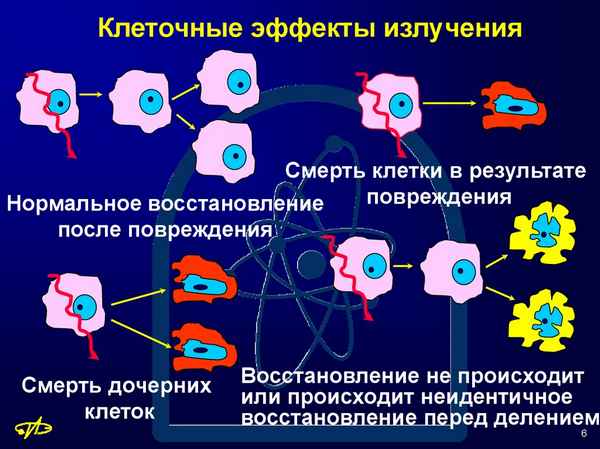 Представлен научный обзор литературных данных о репаративной регенерации соединительной ткани и возможного регуляторного влияния на этот процесс с помощью облучения рефлексогенных кожных зон электромагнитным излучением крайне высокочастотного и терагерцового диапазонов. Акцентируется внимание на значении нейровегетативного компонента в ходе адаптационных реакций соединительной ткани к повреждению с помощью современных стресс-лимитирующих реабилитационных технологий. Анализируются современные гипотезы предполагаемого механизма действия корригирующих методик на основе электромагнитных стимулов крайне высокочастотного и терагерцового диапазонов на процессы межклеточных нейроиммунноэндокринных взаимодействий. Обосновывается необходимость дальнейших экспериментальных исследований на клеточном уровне in vitro для подбора оптимальных параметров воздействия с целью регуляции пролиферативной и функциональной клеточной активности и разработки новых приборов с шумовым диапазоном излучения.
...
Представлен научный обзор литературных данных о репаративной регенерации соединительной ткани и возможного регуляторного влияния на этот процесс с помощью облучения рефлексогенных кожных зон электромагнитным излучением крайне высокочастотного и терагерцового диапазонов. Акцентируется внимание на значении нейровегетативного компонента в ходе адаптационных реакций соединительной ткани к повреждению с помощью современных стресс-лимитирующих реабилитационных технологий. Анализируются современные гипотезы предполагаемого механизма действия корригирующих методик на основе электромагнитных стимулов крайне высокочастотного и терагерцового диапазонов на процессы межклеточных нейроиммунноэндокринных взаимодействий. Обосновывается необходимость дальнейших экспериментальных исследований на клеточном уровне in vitro для подбора оптимальных параметров воздействия с целью регуляции пролиферативной и функциональной клеточной активности и разработки новых приборов с шумовым диапазоном излучения.
...
30 09 2026 2:17:18
 Статья в формате PDF
111 KB...
Статья в формате PDF
111 KB...
29 09 2026 3:34:36
 Статья в формате PDF
118 KB...
Статья в формате PDF
118 KB...
28 09 2026 19:58:26
 Статья в формате PDF
124 KB...
Статья в формате PDF
124 KB...
27 09 2026 8:26:53
 Проведен анализ изменений состава тела вследствие курса экстремальных воздушных криогенных тренировок (ОВКТ) в камере закрытого типа при t = –110 ± 5 °С. Исследован состав тела 35 человек (87 % выборки), до и после курса ОВКТ, состоявшего из 10 сеансов в режиме 1 процеДypa в день. Анализ состава тела проводили на биоимпедансном анализаторе АВС-02 «Медасс». Статистическая обработка проведена с расчетом медианы (Ме), значений исследуемых параметров в первой (Q25 %) и последней (Q75 %) квартилях распределения, сравнением полученных данных с использованием непараметрического критерия Манна Уитни Вилкоксона (U). Выявлено снижение значений Ме для жировой массы и ее возрастание для мышечной и активной клеточной массы, что отражает как правило формирование более высокого уровня здоровья и адаптированности исследуемых к факторам среды. Модуляция состава тела в результате курса ОВКТ зависит от исходного функционального состояния исследуемых, однако направленность изменений данных биометрии остается позитивной.
...
Проведен анализ изменений состава тела вследствие курса экстремальных воздушных криогенных тренировок (ОВКТ) в камере закрытого типа при t = –110 ± 5 °С. Исследован состав тела 35 человек (87 % выборки), до и после курса ОВКТ, состоявшего из 10 сеансов в режиме 1 процеДypa в день. Анализ состава тела проводили на биоимпедансном анализаторе АВС-02 «Медасс». Статистическая обработка проведена с расчетом медианы (Ме), значений исследуемых параметров в первой (Q25 %) и последней (Q75 %) квартилях распределения, сравнением полученных данных с использованием непараметрического критерия Манна Уитни Вилкоксона (U). Выявлено снижение значений Ме для жировой массы и ее возрастание для мышечной и активной клеточной массы, что отражает как правило формирование более высокого уровня здоровья и адаптированности исследуемых к факторам среды. Модуляция состава тела в результате курса ОВКТ зависит от исходного функционального состояния исследуемых, однако направленность изменений данных биометрии остается позитивной.
...
26 09 2026 6:14:37
 Статья в формате PDF
304 KB...
Статья в формате PDF
304 KB...
25 09 2026 15:21:30
 Статья в формате PDF
322 KB...
Статья в формате PDF
322 KB...
24 09 2026 11:47:19
Статья в формате PDF 279 KB...
23 09 2026 14:58:18
 Статья в формате PDF
257 KB...
Статья в формате PDF
257 KB...
22 09 2026 1:55:13
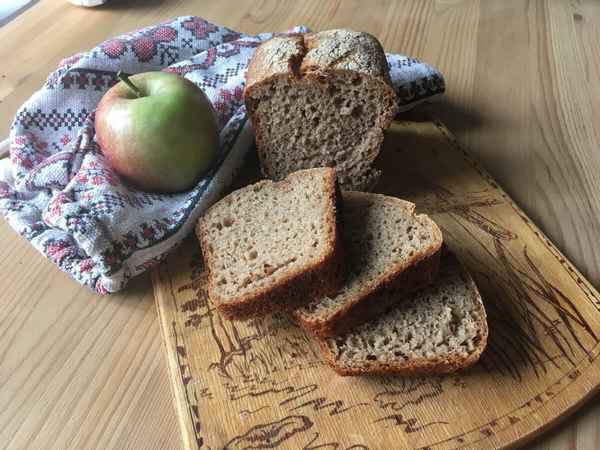
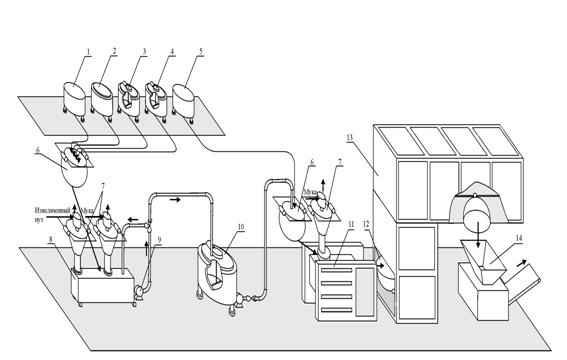 Статья посвящена экспериментальному исследованию по разработке технологии приготовления хлеба повышенной биологической ценности на основе биоактивированных семян нута. В ходе исследований были определены рациональные режимы проращивания семян нута, исследованы их химический состав и ферментативная активность; разработана технология хлебобулочных изделий на основе измельченных биоактивированных семян нута; составлен аппаратурно-технологический участок приготовления теста.
...
Статья посвящена экспериментальному исследованию по разработке технологии приготовления хлеба повышенной биологической ценности на основе биоактивированных семян нута. В ходе исследований были определены рациональные режимы проращивания семян нута, исследованы их химический состав и ферментативная активность; разработана технология хлебобулочных изделий на основе измельченных биоактивированных семян нута; составлен аппаратурно-технологический участок приготовления теста.
...
21 09 2026 19:58:51
 Статья в формате PDF
91 KB...
Статья в формате PDF
91 KB...
20 09 2026 11:14:19
 Статья в формате PDF
99 KB...
Статья в формате PDF
99 KB...
19 09 2026 6:32:13
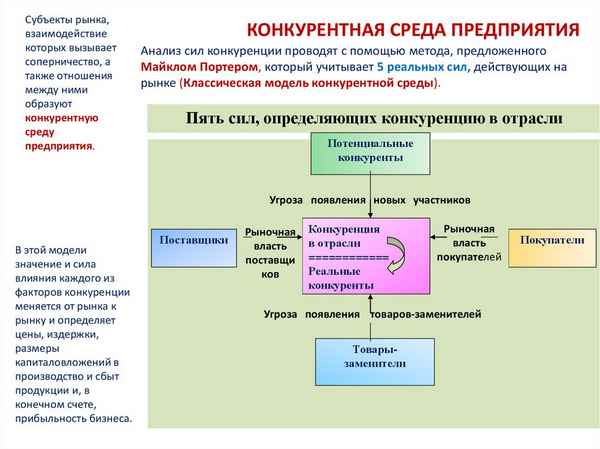 В рыночной экономии предприятия действуют в условиях конкуренции. Изучая потребителей, не следует забывать о конкурентах. Конкурент – важный элемент инфраструктуры системы маркетинга, оказывающий влияние на маркетинговую стратегию предприятия в отношении товара, поставщиков, покупателей. Исследование позиций конкурентов, а так же анализ конкурентной среды, в которой действуют предприятия, охватывает широкий спектр вопросов и требует привлечения значительного объёма информации. Анализ информации, её интерпретация позволяют специалистам вывести обоснованные оценки по каждому фактору конкуренции и охаpaктеризовывать общее положение предприятий на рынке по отношению к основным конкурентам.
...
В рыночной экономии предприятия действуют в условиях конкуренции. Изучая потребителей, не следует забывать о конкурентах. Конкурент – важный элемент инфраструктуры системы маркетинга, оказывающий влияние на маркетинговую стратегию предприятия в отношении товара, поставщиков, покупателей. Исследование позиций конкурентов, а так же анализ конкурентной среды, в которой действуют предприятия, охватывает широкий спектр вопросов и требует привлечения значительного объёма информации. Анализ информации, её интерпретация позволяют специалистам вывести обоснованные оценки по каждому фактору конкуренции и охаpaктеризовывать общее положение предприятий на рынке по отношению к основным конкурентам.
...
18 09 2026 9:46:54
 Статья в формате PDF
112 KB...
Статья в формате PDF
112 KB...
17 09 2026 10:30:21
 Статья в формате PDF
89 KB...
Статья в формате PDF
89 KB...
16 09 2026 6:38:55
 Статья в формате PDF
113 KB...
Статья в формате PDF
113 KB...
15 09 2026 16:49:14
 Статья в формате PDF
256 KB...
Статья в формате PDF
256 KB...
14 09 2026 2:17:23
 Статья в формате PDF
125 KB...
Статья в формате PDF
125 KB...
12 09 2026 21:23:38
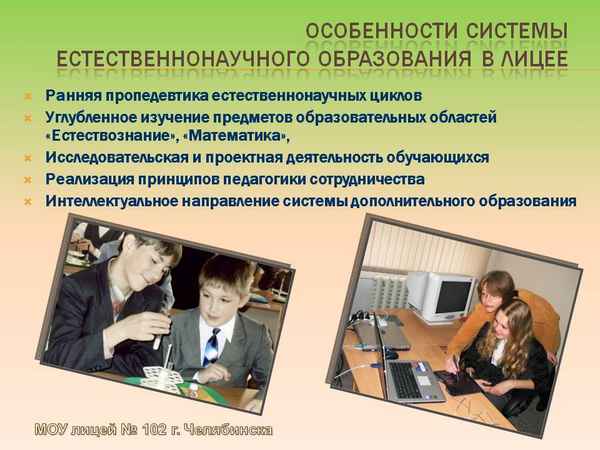 Физико-технический лицей № 1 целенаправленно решает задачу выявления интеллектуально одаренных школьников и развития их способностей. Содержание, формы и методы обучения в лицее базируются на принципах профилизации, вариативности, фундаментализации, интегративности, гуманизации, иформатизации. Профильные предметы - математика, физика и информатика. Их изучение занимает 54 % учебного времени, а изучение биологии и химии - всего 10 %. Для учащихся, проявляющих интерес и способности к изучению естественнонаучных предметов проводятся занятия в спецкурсах и кружках, индивидуальные консультации, реализуются учебно-исследовательские проекты. За счет выбора индивидуальной образовательной траектории эти учащиеся имеют возможность достичь высоких результатов в изучении биологии и химии, вплоть до побед на международных олимпиадах.
...
Физико-технический лицей № 1 целенаправленно решает задачу выявления интеллектуально одаренных школьников и развития их способностей. Содержание, формы и методы обучения в лицее базируются на принципах профилизации, вариативности, фундаментализации, интегративности, гуманизации, иформатизации. Профильные предметы - математика, физика и информатика. Их изучение занимает 54 % учебного времени, а изучение биологии и химии - всего 10 %. Для учащихся, проявляющих интерес и способности к изучению естественнонаучных предметов проводятся занятия в спецкурсах и кружках, индивидуальные консультации, реализуются учебно-исследовательские проекты. За счет выбора индивидуальной образовательной траектории эти учащиеся имеют возможность достичь высоких результатов в изучении биологии и химии, вплоть до побед на международных олимпиадах.
...
11 09 2026 15:44:37
 Статья в формате PDF
137 KB...
Статья в формате PDF
137 KB...
10 09 2026 5:20:29
 Статья в формате PDF
99 KB...
Статья в формате PDF
99 KB...
08 09 2026 3:45:48
 Статья в формате PDF
133 KB...
Статья в формате PDF
133 KB...
06 09 2026 22:39:28
 Статья в формате PDF
86 KB...
Статья в формате PDF
86 KB...
05 09 2026 20:39:46
Еще:
Поддержать себя -1 :: Поддержать себя -2 :: Поддержать себя -3 :: Поддержать себя -4 :: Поддержать себя -5 :: Поддержать себя -6 :: Поддержать себя -7 :: Поддержать себя -8 :: Поддержать себя -9 :: Поддержать себя -10 :: Поддержать себя -11 :: Поддержать себя -12 :: Поддержать себя -13 :: Поддержать себя -14 :: Поддержать себя -15 :: Поддержать себя -16 :: Поддержать себя -17 :: Поддержать себя -18 :: Поддержать себя -19 :: Поддержать себя -20 :: Поддержать себя -21 :: Поддержать себя -22 :: Поддержать себя -23 :: Поддержать себя -24 :: Поддержать себя -25 :: Поддержать себя -26 :: Поддержать себя -27 :: Поддержать себя -28 :: Поддержать себя -29 :: Поддержать себя -30 :: Поддержать себя -31 :: Поддержать себя -32 :: Поддержать себя -33 :: Поддержать себя -34 :: Поддержать себя -35 :: Поддержать себя -36 :: Поддержать себя -37 :: Поддержать себя -38 ::